




Even though I have only seen it once, the movie Midsommar is forever burned in my brain. It is a movie that essentially plays out death on repeat as the narrative explores a cult that ritualistically expects members to die. Easily the most graphic scenes are of people leaping to their deaths from a cliff onto rocks. And everything is on display. I have never loved horror movies. But I loved Midsommar.
And, of course, as I watched all the deaths with delight I felt like a complete weirdo. Why wasn’t I horrified? Why did I not look away like a normal person? Why did I feel understood when the movie was over?
Actor and writer Rob Delaney is best known for his brilliant TV series, Catastrophe, which truly captures the absolute war of love that is marriage. It should come as no surprise that he wrote the series as he was enduring his own real-life situation falling apart. Rob Delaney’s son was diagnosed with brain cancer as a baby and he died as a toddler. Delaney’s book on the subject, A Heart That Works, chronicles the tragedy.

This was the last place I expected to find a relatable glowing review for a movie about a graphic death cult. And yet, Delaney writes that, “Midsommar is modern history’s finest example of the horror film as restorative phenomenon” describing going to see it with his wife and a friend whose three-year-old daughter had died of sepsis. Apparently, there’s a club for those of us who have experienced horrible, graphic tragedies and love this movie.
When I fell in love with Midsommar, I spent weeks trying to figure out why. Was it that my own grief was so great that something in this gory movie jarred me into feeling something? That was the best answer I could come up with. But when I learned I was not alone in my enthusiasm, I began to wonder if there was more to it.
As we enter into the suffering and horror of the death of Jesus this week, I am struck by how viscerally similar the experience is. We hear about the beating and torture of Jesus, his feeling of abandonment, the seemingly hopeless situation he hangs from. The Passion of Jesus is the most theatrical rendering of suffering. But it is compelling to Christians both because we know that Jesus is suffering and dying for us, but also that we know he is suffering and dying with us.
Even if you are not someone who has experienced personal horror in your own life, you see it everywhere. In Texas, another train of migrants was found with its passengers smothered to death. People hopeful to escape the suffering of their lives in one country simply found it by another way in ours. In Tennessee, children who bend towards learning like flowers bend towards light, had their hopefulness, their lives cut off. Even if you do not know horror personally, you know it.
And the suffering of Jesus tells us that we are not alone in it.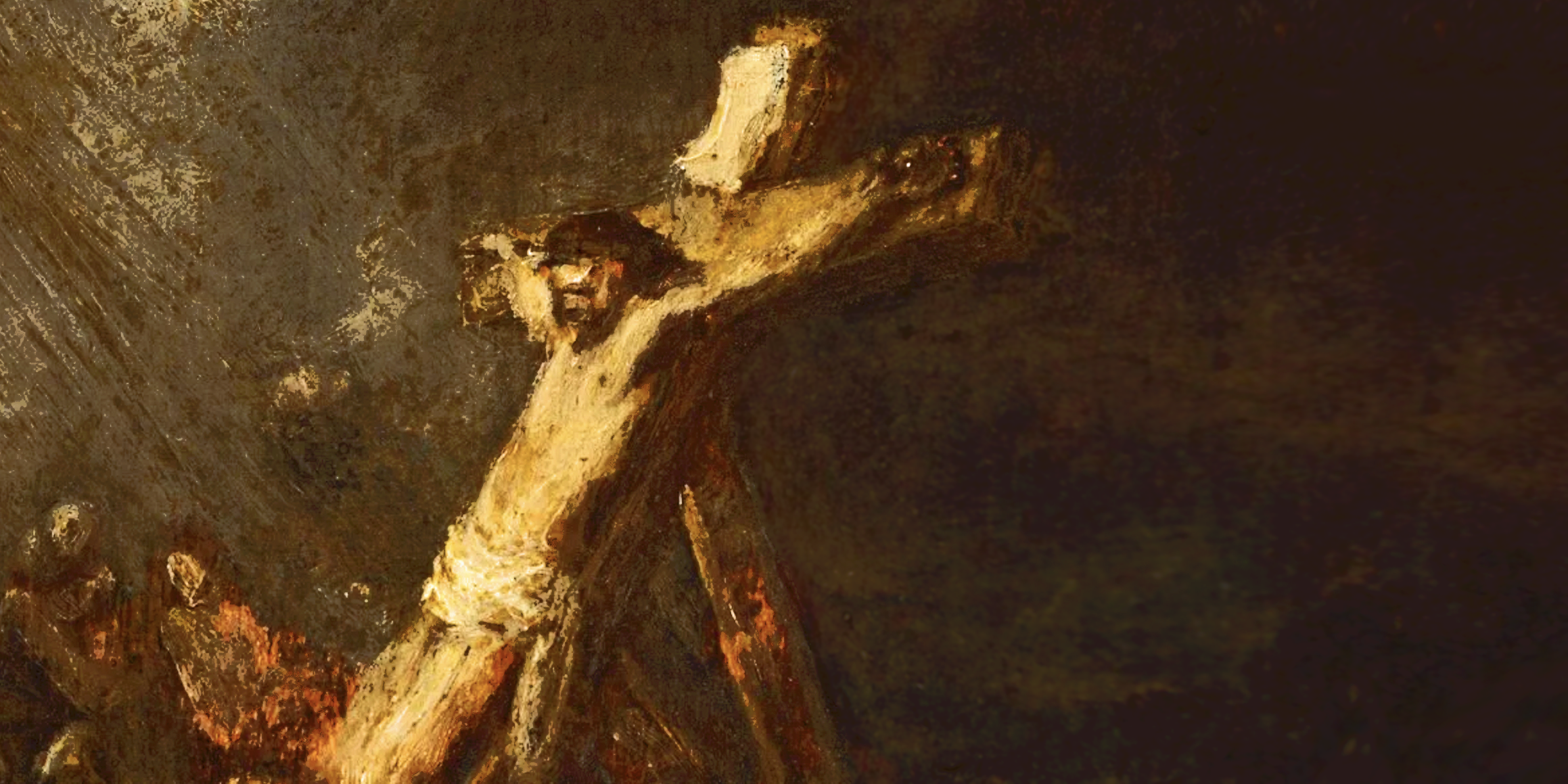
In the opening scene of Midsommar the protagonist gets a phone call about the deaths of her parents and her sister. As we observe her hearing the tragic news in her own home, the camera spans the home of her childhood, where the people she loved most in the world are all dead. It was a graphic and disgusting scene. And it also brought me great comfort. I have had that phone call before. I have tried to imagine what my parents’ bodies looked like. I know the deep pain that feels as though your guts have been taken from your body and burned.
Where most other people probably felt abject horror, I felt known.
Known by the movie. Known by Rob Delaney’s affirmation. But also, known by the cross. I used to have some dread going into Holy Week, even as an ordained person. But these days I lean into it. This is the time when the church feels most reflective of the world around me, but also speaks directly to my suffering heart. I thank God for the godawful death that gave me my redemption. It does not dismiss my pain or suffering, it does not undo my horror, but the agony that Jesus suffers lays it bare for all to see. And I feel less alone.








Once again you have struck at the heart as I begin my journey with breast cancer once again. Thank you from the bottom of my heart!
Incredibly wise and timely as always, thank you Sarah.