It seems contradictory that someone who is obsessed with murder and the darker parts of human nature would also have a high sensitivity to the value of life. But that is exactly the sense I get from the mystery writer Agatha Christie. The intricacy of her characters goes beyond blood and gore. Her detectives, such as Hercule Poirot and Miss Marple, do more than forcefully shine a bright light in someone’s face and demand answers in a holding cell. They play to the nature and character of the person in front of them to get to the truth … the truth hidden beneath the words the person is saying — or not saying. They seem to see things that others miss.
This sensitivity for life comes out in Agatha Christie’s personal story from her childhood found in the introduction of her book of short stories called Midsummer Mysteries.
Her father and older sister allowed her to join them on a horseback riding adventure. Her mother thought she was still too young for this sort of thing, but her father assured her she’d be fine. The ride was going along fine, and they had a very kind guide who was paying special attention to the young Agatha. He would pick flowers and bring them to her and stick them in her hatband. The day was going wonderfully.
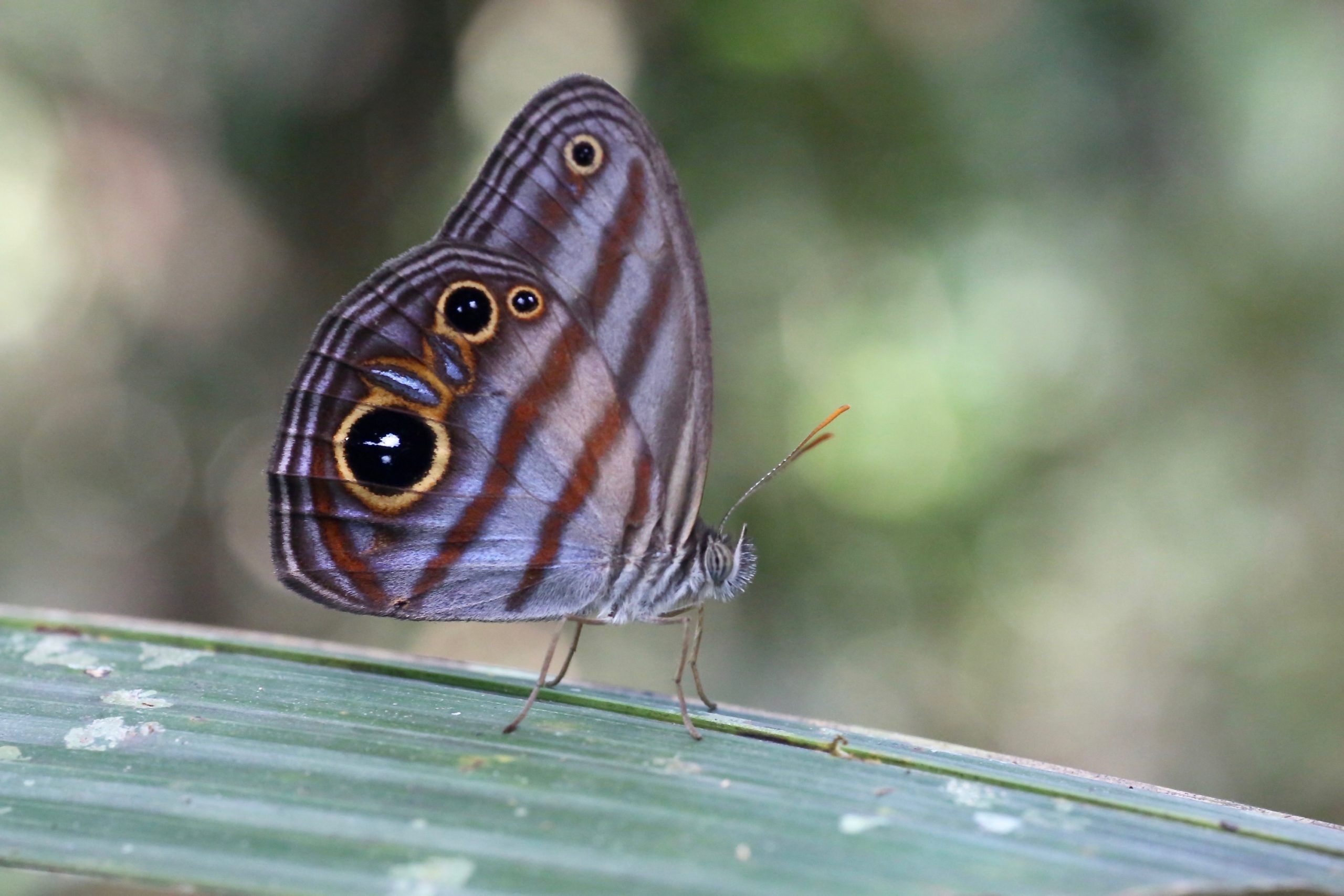
Soon the guide returned to her with another gift for her hat: a live butterfly. He took a pin and fixed the butterfly to her hat, admiring his lovely gift to her. She could feel the butterfly flapping its wings against her hat, struggling against the pin. She couldn’t say anything because she did not want to offend the guide. So she began to cry. Her father and sister were confused by her tears and asked her if she was hurt. No, that wasn’t it. Her sister asked if she was frightened by riding the horse. That wasn’t it either. Or maybe she was tired? No. She kept insisting that none of those things were causing her to cry. Her father and sister resigned themselves to thinking that perhaps she was too young after all for such an outing.
When she got home, her mother asked what was the matter. Agatha still couldn’t say, she just stood there with tears rolling down her cheeks. Finally her mother asked, “Who put that butterfly in her hat?” The sister explained that it was the guide. In Agatha’s words, this is what happened next:
“I see,” said Mother. Then she said to me, “You didn’t like it, did you? It was alive and you thought it was being hurt?”
Oh, the glorious relief, the wonderful relief when somebody knows what’s in your mind and tells it to you so that you are at last released from that long bondage of silence. I flung myself at her in a kind of frenzy, thrust my arms round her neck and said, “Yes, yes, yes. It’s been flapping. It’s been flapping. But he was so kind and he meant to be kind. I couldn’t say.”
She understood it all and patted me gently. Suddenly the whole thing seemed to recede in the distance.
Agatha’s mother did not fix the situation. She did not bring the butterfly back to life. But she saw the butterfly, and she saw the hurt. Agatha was not alone anymore in her suffering because someone saw and understood what she could not say.
Suffering has an isolating quality about it. Your suffering is your own, and somehow no matter how many people have gone through similar pain, you feel alone. No one has been you in your time and place, in your particular family, in this month and year, and in your body. No one can ever know exactly how you feel.
This causes us to try to deal with the pain in our own minds. We do this in various ways: deny that it exists, attempt to hide or run from it, fight against it, or give up. Or maybe at times, like little Agatha, all we can do is cry. In all of these methods, pain always seems to have the upper hand.
This pain could be the large losses we grieve in life, but it can also be the little butterfly flapping against your hat that others might not see as a big deal — those nagging things that feel too unimportant to say out loud but that weigh us down. They are those things that we compare to others’ hurts and minimize because, well, at least I’m not dealing with that. When we write them off as “not that big of a deal,” we deprive them of the opportunity to be seen and to lose their power over us.
Pain finally loses the upper hand when it is brought to light, when the mystery is revealed, and someone looks at you and says what has been stuck unsaid in your mind. The truth is released and brings wonderful relief.
God sees your hurt. He sees the butterflies that we cannot name ourselves, sometimes because we do not see them or sometimes because we don’t feel like we can say anything. In Christ, who is the mystery of God revealed to the world, we find relief from the bondage of silence, of being misunderstood, and the aloneness of suffering. Jesus shines his light on what we try to hide away, and when he sees (and I mean truly sees) the truth, the pain begins to “recede in the distance.”