




The article comes to us from Ian Segen:
I many times thought peace had come,
When peace was far away;
As wrecked men deem they sight the land
At centre of the sea,And struggle slacker, but to prove,
As hopelessly as I,
How many the fictitious shores
Before the harbor lie.
— Emily Dickinson
For those in a certain stage of life, there is a temptation to believe in the arrival fallacy, which promises that once you reach a certain station in life with certain people, certain possessions, and certain accomplishments around you, things will finally be good. Happiness will be yours. Of course, this is nothing more than a mirage, a false oasis in the desert of our lives. When we climb up to our goal’s peak, we look out from its promising vista only to see a higher mountain to climb.
Due to personal circumstances, I’ve been reflecting on a different version of the fallacy, what I call the rock bottom fallacy. There are times in our lives when we think that things just can’t get worse. By some combination of our own sins, the sins of others, and the brokenness of this world, we find ourselves in a pit. But, we think, things can only go up from here. This might be the end of the road, but we will U-turn momentarily. There must be light at the end of this dark tunnel, and hope must certainly be on its way.
Maybe this is something I particularly struggle with as an eternal optimist. After the initial shock of a setback, I find myself thinking, “Now it’s going to get better. I’ve learned my lessons and now the healing can begin.”
Wrong.
Life, with its chain of disappointments, knocks the optimistic wind out of me over and over again. I repeat to myself the oft quoted W.H. Auden mantra, “We who must die demand a miracle,” only to find myself closer to death and the demand for a miracle unmet.
In some ways, the rock bottom fallacy is the photographic negative of the arrival fallacy — it’s playing itself out in the deep dark valleys of life instead of our imagined peaks. Here at the bottom, we still yearn for the grass to be greener on the other side.
As Robert Farrar Capon says at the end of his book, Between Noon and Three, “There will always be worse deaths than you expected.” Not the most comforting word from Capon. I need my resurrection. I need my redemption.
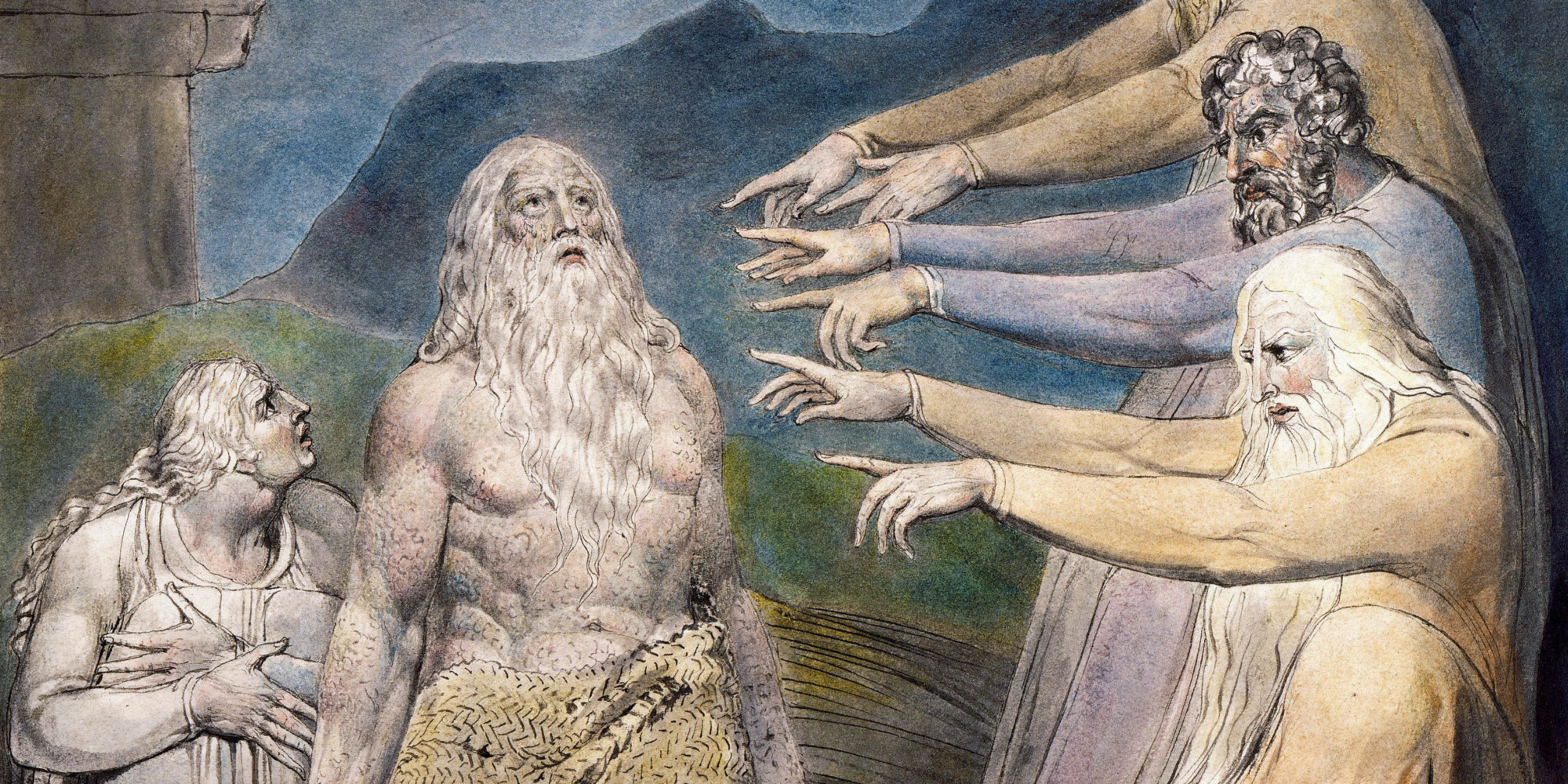
I need my story to be how God takes all my struggles and pains and rebuilds it into this graceful example of happiness and peace. I want to be Job — for the pain to be worth it in the end. I want that picturesque testimony that I hear people share, but I don’t want to pay any higher price for it than I have to. In the words of David Wimbish of The Collection, “You dream of resurrection, but you’re too scared to die.”
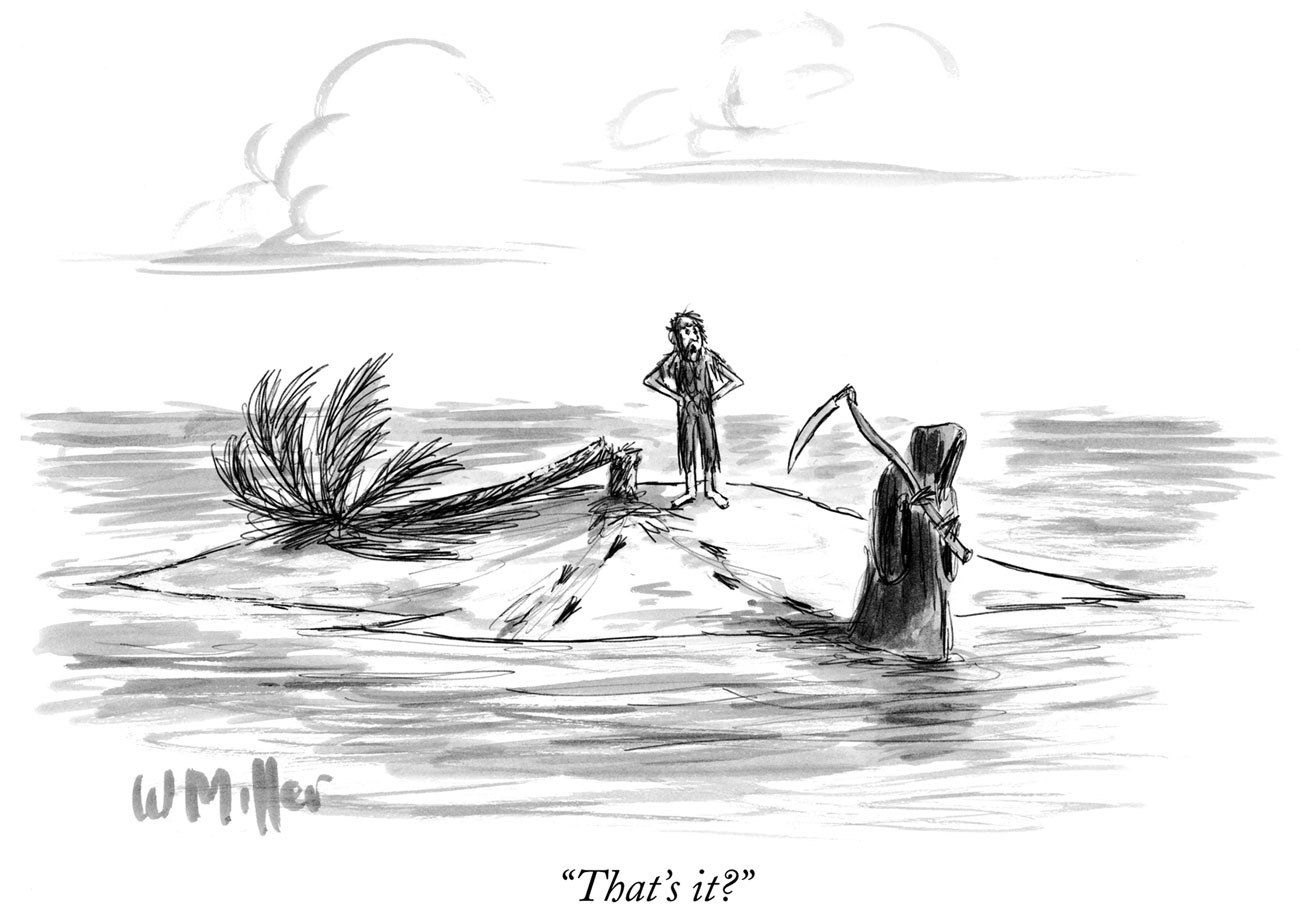
And so I grow impatient with a God that doesn’t act on the timeline I know he should be acting on. I grow indignant that he doesn’t give me the redemption I feel I deserve. But at the end of the day, I fall into despair thinking that he’s left me. I am alone, drowning in the tumultuous sea of my life with no sight of land or ship.
In the midst of the chaos, I can’t sense God’s presence; the harrowing storm has darkened my vision. But the good news is that God has not abandoned me, despite my belief that he left. He never promised that I wouldn’t walk through the valley of the shadow of death. Nor did he ever promise that I wouldn’t find myself falling into deeper and darker depressions of that valley. I don’t know why he designs the contours of my suffering to be the way that they are. I just know that he promises that I don’t have to fear in the midst of the valley because his invisible, even indiscernible presence is there leading me onward.
The fact is, God has always been a God of the valleys and loss. This was made explicitly true when God in Christ hung on the cross and was then put in a grave. There, at the deepest point of his humiliation, he hit rock bottom. There, Jesus speaks with us and the writer of Psalm 88, “You have put me in the depths of the pit, in the regions dark and deep. Your wrath lies heavy upon me, and you overwhelm me with all your waves.” John Zahl says, “God’s office is at the end of our rope.” Well, God set up shop at the end of our rope on Holy Saturday when he was buried and the rock was rolled over that tomb.
And ever since that darkest of days, when we find ourselves at our own rock bottom and the stone rolled over our grave, we never find ourselves alone. We may not always experience an abiding presence with us, but the reality of his presence remains true. The one who tasted rock bottom for me, now sits with me in my grave by the Holy Spirit.
But more than his presence, the one who sits with me is also the only one who truly conquered rock bottom. The rock was rolled away. This isn’t a promise that things will be better soon — it says nothing of timing (unfortunately). But it is a guarantee that one day there will be life on the other side of this temporary tomb, that the valley of death eventually leads to still waters.
Even at the point where I think I’ve hit rock bottom, even if there are more deaths to die, even if I’ve had the hope knocked out of me too many times to even try to hope again — I can trust that Christ’s presence with me contains a hope that is rooted deeper than the optimism of circumstance. And even when I can’t hold onto him, he holds onto me.
As Capon predicted earlier, “There will always be worse deaths than you expected.” But he goes on to land the quote with a twist. “But [God] says he raises you from them, and if you believe that, you’re finally free.”








[…] in control, who have had their eyes opened to the reality of this world, who have been brought to rock bottom, Christ’s death on our behalf is good news. It is a balm of unmerited grace, given to us […]
Ah, Grasshopper, you expect too much. You say, “And so I grow impatient with a God that doesn’t act on the timeline I know he should be acting on.” God does not act on our timelines, and to expect him to is a bit solipsistic, no? Life works as life works. God has a plan, and we must accept that fact. Be good!