




Is your body a project or an object, your friend or your foe? Does it feel like it should be smaller, firmer, bigger here but less there? Is it for growing babies or catching the eye of men who may want you to have their babies? Do you give it what it needs, or have you trained your mind to silence the signals?
When you look at it with your eyes, what do your ears hear? Is your body only good when it carries you through big goals and big dreams, or can it be good because it carried you through a Monday morning? Do you ever stop and think that your heartbeat made your mother smile with tears in her eyes as she sat on that crinkly paper in the doctor’s office? Do you curse the cold and the way it makes your insides freeze or are you ever amazed that your breath always remains warm?
Do your hands have arthritis and do they mix chocolate chip cookies for your grandkids with a smooth wooden spoon that your daughter used when she was young and stood on a step-stool to “help make cookies,” too? Do your feet have warts on the bottom of them and do they help you dance in the kitchen as the sun sets over the neighborhood sky? Does your body’s weakness annoy you, its limits frustrate you? Do you wish you could just be like her — whiter smile, smaller pants, smoother forehead, not medicated with an arsenal of pills you keep in a plastic purple case? Does your racing mind and sweaty palms make you feel like a stranger in your own skin? But does noticing help? Do the laugh lines around your eyes help you see that you are a vessel that patinas with age, growing more beautiful because of the years that have gone by?
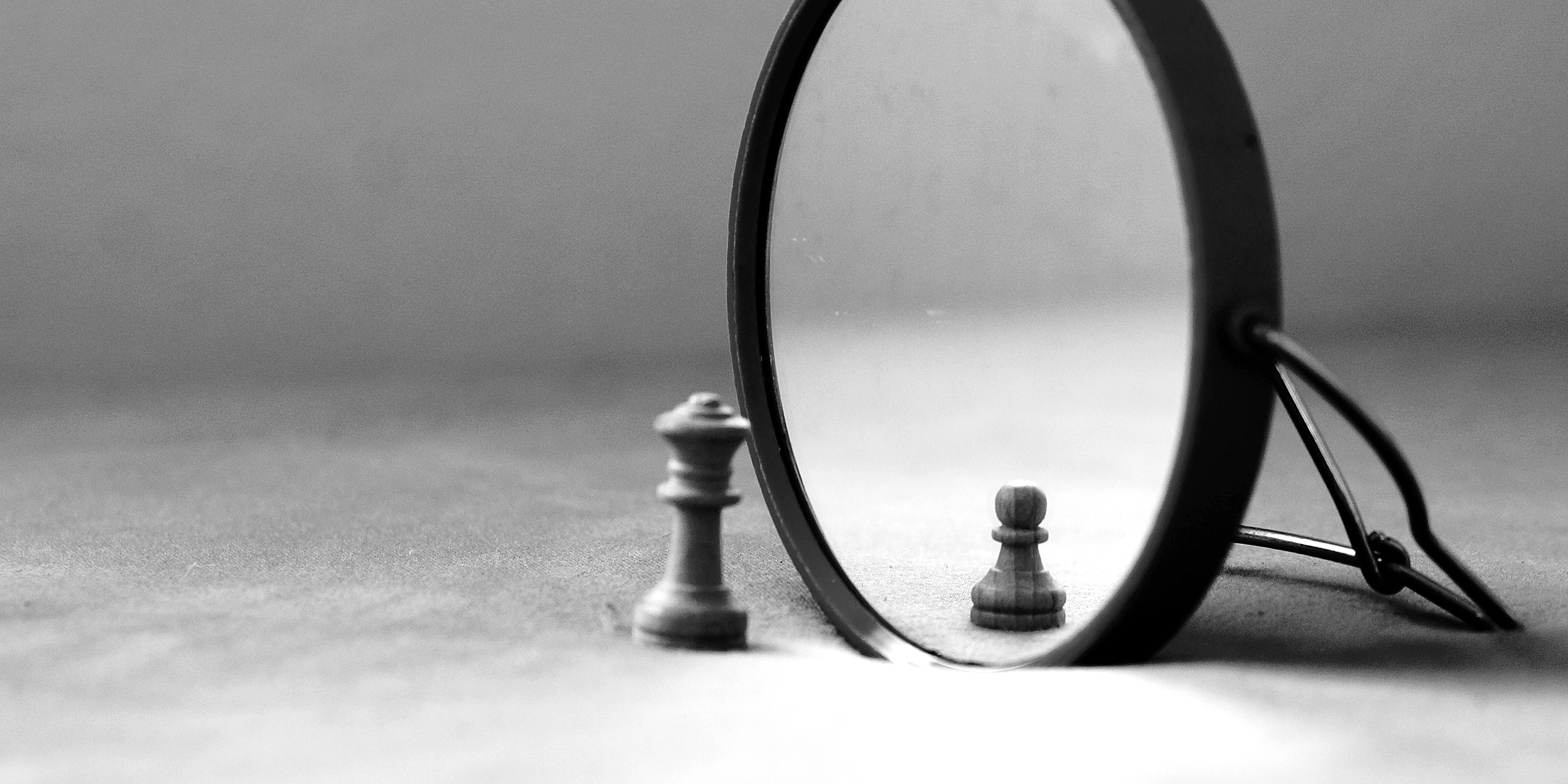
Should a body be displayed, concealed away, or something in between? Should it be intoxicated, amended, or manipulated by elixirs unseen? Can you only whisper what’s wrong because your brokenness feels like a crime that you can never confess? Do you wonder if anyone else wonders what you wonder? Do your tears taste bitter? Do you know you are Someone’s beloved?
Beloved bodies are broken bodies. Beloved bodies have been hurt and have also been — or will be — healed and transformed. Our beloved bodies get sunburned and sweaty and they stretch and sag and they are intricate miracles that even the smartest scientists haven’t been able to entirely figure out yet. The blood that runs through our veins contains the genetic code of men and women who were brave and flawed and carried stories of shame and sacrifice in their own bodies. It is 2024 but we have our ancestors’ eyes, their handwriting, their curly hair and their freckles that peek through in the summer sun.
Our beloved bodies are like ebenezers: testimonies to God’s faithfulness through the generations. Generations of broken people who lived and got wrinkles and breathed a billion breaths until they didn’t. Generations of imperfect people who were loved by a perfect God. This God became a man like us, a man who came to be with us in a body so that we could learn what it means to remain in his love.
We are told his body was like ours: “We do not have a high priest who is unable to sympathize with our weaknesses, but one who in every respect has been tempted as we are, yet without sin,” (Heb 4:16). As Isaiah alludes to, Jesus’s physical presence likely would’ve been perceived as rather unremarkable: “He had no form or majesty that we should look at him, and no beauty that we should desire him” (Isaiah 53:2). And yet, in one of the most stunning scenes of scripture, we read this: “Then a voice came from heaven [saying], ‘You are My beloved Son, in whom I am well pleased.’”
The God of the universe could have chosen many ways to bring redemption to his people, but he chose to become flesh. He chose to take on a body — to take on a thing that so many of us scorn. With his body and his blood, he offered us life, real life. “Take, eat; this is my body,” he says. “Drink of it, all of you, for this is my blood of the covenant, which is poured out for many for the forgiveness of sins. I tell you I will not drink again of this fruit of the vine until that day when I drink it new with you in my Father’s kingdom.”
One day, we will drink with Jesus, not as disembodied cloud spirits or transparent ghosts, but as resurrected bodies with lips and tongues and eyes that can really, actually, “taste and see that the Lord is good” (Ps 34:8).
And so as we live as people with asymmetrical faces and sweaty armpits and prolapsed uteruses and hyperextended knees and anxiety-riddled brains — as beloved children of God — we remember that our imperfect bodies also preach. Your body was knit together in your mother’s womb: a womb that held you and grew you and birthed you into a world that can be so beautiful and so cruel. The scars of the past testify to something more than the passage of time. When the Father looks at you, he sees someone who is fearfully and wonderfully made, someone who is loved beyond all measure.
As Dallas Willard wrote, “We must understand that God does not ‘love’ us without liking us — through gritted teeth, as ‘Christian’ love is sometimes thought to do.” No. God’s love is greater than that. Willard continues: “Rather out of the eternal freshness of his perpetually self-renewed being, the heavenly father cherishes the earth and each human being upon it. The fondness, the endearment, the unstintingly affectionate regard of God toward all his creatures is the natural outflow of what he is the core — which we vainly try to capture with our tired but indispensable old word love.”
What is a body for?
Well, a body is for many things. But beloved: self-hatred is not one of them.








“Our imperfect bodies preach” that’s an affirmation I can get behind. Absolutely lovely article.
As someone in the midst of eating disorder/body dysmorphia recovery – as I nourish and care for my body and I watch my body grow; as I rewire my brain to trust my body instead of control my body; as I see my body in the mirror, learning to do so with the eyes of the Beloved Bridegroom, the Creator of the body, (instead of the eyes of worldly criticism like crows on a carcass), this article could not be more perfectly timed…so well said, and appreciated. Thank you <3
This will be a great addition to an ongoing dialogue with my increasingly self-aware (naturally) teenage daughter. And, “not that I have already obtained this”…so, thank you