




When you decide to start your own business, everyone — lawyers, bankers, insurance agents, and other business owners — makes sure you understand a sobering reality: you are now vulnerable. Not necessarily because you’ve done anything wrong, but because you have “assets” or insurance, and because you work with other people. That’s enough to make you a target.
After more than 40 years in business, I’m being sued.
Fault, and the guilt that comes with it, is the foundation of law. In religion, humanity’s essential need to define fault and determine what is “right” leads us to define moral values. In secular society, we create legal ones. But the ugliest use of our legal system is to affirm our own righteousness without bothering with anything as inconvenient as God.
Perhaps the most corrupt manifestation of our already flawed legal structure is what the media has called Lawfare: the use of legal action not to seek justice, but to justify what we believe. These aren’t often criminal cases; they’re civil ones. And too often, their aim isn’t truth but vindication.
Like many others who have found themselves defendants, I believe I’m being sued without just cause. The only explanation I can find is that someone seeks justification — perhaps financial, perhaps emotional. In Lawfare, the pursuit of truth becomes irrelevant. It’s accusation without accountability. And the entire process seems to preclude our shared humanity.
After meeting with many lawyers — though I am not one — I’ve been repeatedly told that Lawfare embodies something that I cannot relate to: “The truth does not matter.”
Why? Because the majority of civil cases don’t go to trial. They settle. The process isn’t about determining guilt or innocence; it’s about reaching an agreement where guilt is accused, and then quietly absolved. After three years of legal back-and-forth, some of it paid by me, some by my insurance, I made it clear: the truth may not matter in the cynical world of Lawfare, but the truth is everything to me. And truth only emerges in a trial.
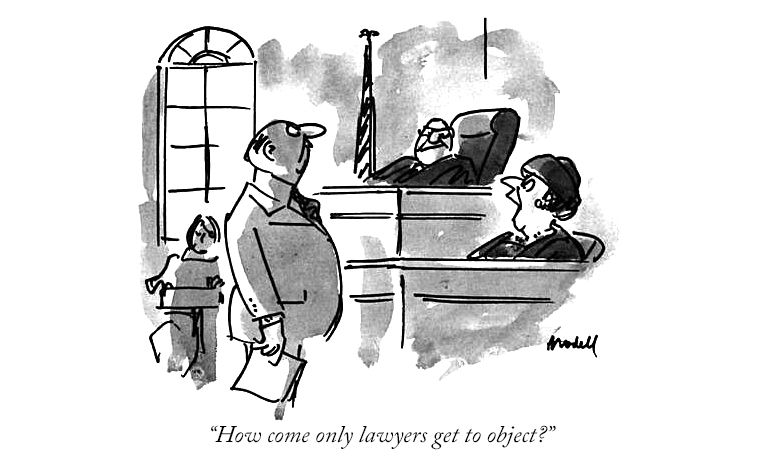
Grace may seem meaningless in our self-justifying legal performances. But in a courtroom, imperfect as it is, there’s at least a chance for reality to be revealed. I lived through the events I’m being sued over. I’m not afraid of a trial. If I’m found guilty, I’ll accept that. But I know I am not. Because in a trial the truth actually matters.
Metaphors can be dangerous. They help us understand the world by drawing connections between what we see and what we know. But they often distort meanings. Still, I can’t help but see a metaphor here: just as we endure the Lawfare of daily life — whether or not we ever step foot in a courtroom — each of us also faces the ultimate trial: death.
In our transactional lives (the ones where businesses are built, deals made, and liabilities calculated) grace, the unearned and unconditional gift of love, is often rejected. When people hear I’m being sued, many assume I’ll retaliate. “You’ve got to fight fire with fire,” they say. They mean well. But their advice hurts. I don’t want to return harm for harm. This isn’t about revenge for me.
What’s being sought in this case are not truths or justice, but assets — money, my insurance. The goal of “settling” is not resolution or reconciliation, but justification. Then comes the non-disclosure agreement that erases all record, making invented guilt subject to contrived (and secret) absolution.
Yet I still have to function in this legal world if I want to speak the truth I lived. That means filing motions, contesting claims, engaging in this system. I told a beloved friend, someone who’s spent a lifetime in the federal justice system, about the lawsuit. He said, “I’ve been praying for you.” I was humbled. Then he added, “And I’ve been praying for those who are suing you.” That, in his words, is grace, the kind that surpasses all understanding. And it’s exactly what Lawfare excludes.
Our lives can be closed off to grace, too — especially when we fear losing. But there is no loss in grace. Accepting the sheer gift of life is hard, especially near the end. We fight to stay alive in ICU rooms not because we’re ready for the life to come, but because we still know and live in this one.
Grace doesn’t mean giving up. I don’t want to die. I want to live — indefinitely, if possible. Likewise, I don’t believe I should be sued, but I have been. I want justice. Yet I know that a trial is costly and uncertain. “Settling” is likely, even inevitable.
Whether in a courtroom or at life’s end, the only real justice is what we create in response to reality. But grace is something else entirely. It renders Lawfare absurd. Whether I “win,” “lose,” or more likely, “settle,” I remain convinced that this miraculous, unjustifiable life we’re given needs no defense, only gratitude.
It is the fate we know but forget. Including me.








I completely understand. With love and prayers for a good man.
Love to you
Well summarized. Sadly, the irrelevance of truth in the settlement process has been part of the negotiations between insurance companies and plaintiffs for decades. I wish you wisdom and confidence as you plod through this quagmire.
We are trudging