




From fiction to poetry to memoirs to history and beyond! Here are some of the books from this year that stood out above the rest. (And FYI, look for our annual theology book list on Monday!)
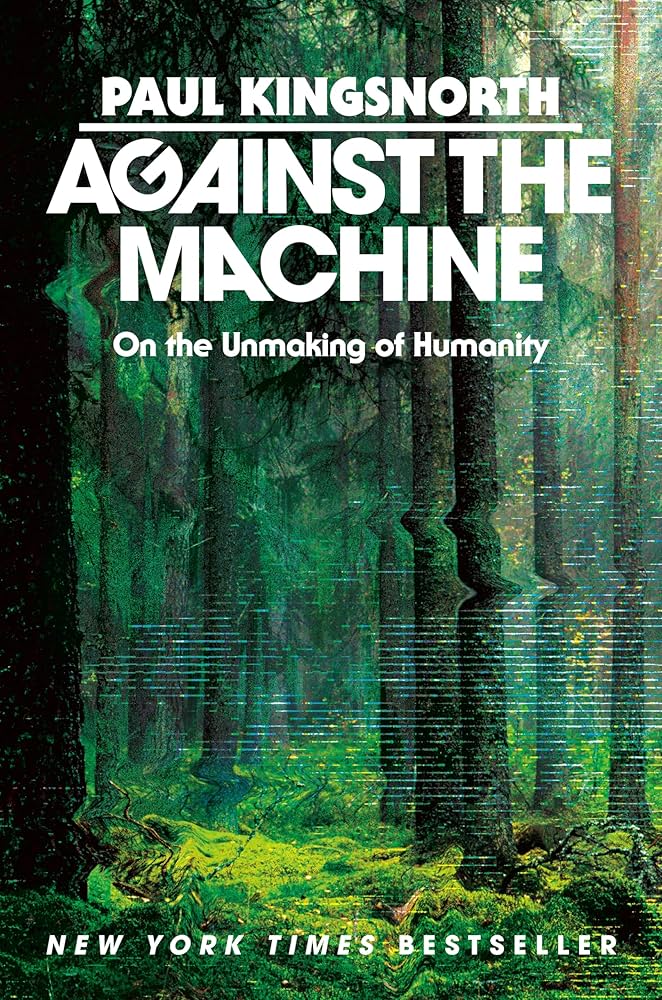 Against the Machine: On the Unmaking of Humanity by Paul Kingsnorth
This year’s best read for aspiring Luddites but with a clear Christian conviction. Kingsnorth astutely describes the spiritual sickness at the rotten core of our technological age. In place of people, place, prayer, and the past, we are now defined by science, sex, the self, and the screen — a techno-capitalism that extracts our humanity for profit and the ever-expanding demand for so-called progress.
The Age of Choice: A History of Freedom in Modern Life by Sophia Rosenfeld
In this sweeping book, Rosenfeld examines the origins of how the Western world came to see choice as the defining feature of what it means to be a human. In the marketplace of our day, we choose products, religion, identities, politicians, romantic partners. Everywhere is limitless choice. But this universal value we take for granted was not always so, and Rosenfeld adeptly narrates how we came to believe so fervently in the freedom of choice.
All the Beauty in the World by Patrick Bringley
When his older brother is diagnosed with deadly cancer, New Yorker writer Patrick Bringley seeks solace in beauty, becoming a guard at the Metropolitan Museum of Art for a decade. This is an insightful, hopeful journey through art and history, but most of all, through the grief and beauty of everyday life.
All the Things I Say to God: Learning to Pray Anytime, Anywhere by Tanner Olson and Anita Schmidt
The first picture book from Mockingbird’s favorite stand-up-poet-theologian Tanner Olson is a meditation on the freedom and intimacy of prayer, pitched at kids but just as applicable to their parents and loved ones. Those familiar with Tanner’s other work will recognize the easy precision with which he mixes heart and humor, as well as the refreshing lack of condescension. The illustrations are great, too.
The Ballad of the Lost Dogs of East Nashville by John Joseph Thompson
A terrific first novel from John J. Thompson, beloved musicologist and probably the world’s leading authority on “Jesus music,” Lost Dogs tells the story of a band of unlikely, overlooked artists and how God uses them to trouble the waters of their community — in the best possible way. Come for the pitch-perfect musical references, stay for the colorful characters, heartfelt asides, and strength-in-weakness hope at the core of this remarkable tale. Think Robert Capon meets The Commitments filtered through Harper Lee.
Believe: Why Everyone Should Be Religious by Ross Douthat
This is New York Times columnist Ross Douthat’s exercise in law and gospel for theism. It’s a proclamation of promises rooted in supernatural belief and religion mixed with the potential of spiritual judgment for those who ignore such spheres. An excellent read for anyone engaging with the ghosts of New Atheism, following the latest research on cognitive science, or frustrated that every franchise now has a multiverse.
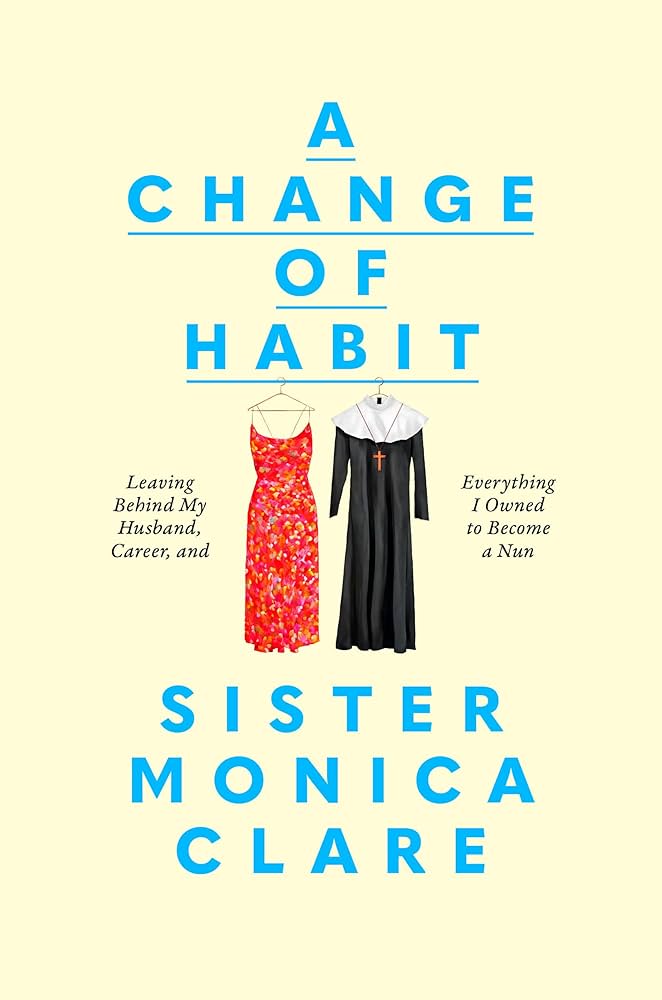 A Change of Habit by Sister Monica Clare
A winsome yet tender account of one woman’s circuitous journey from small-town poverty to big city grind to … an Episcopal convent. A Change of Habit is a deeply hopeful testament to the ever-present, incongruous love of God for all those who feel like fish out of water. It’s also a lot of fun to read, which is not always the case with spiritual memoir.
Cross Purposes: Christianity’s Broken Bargain With Democracy by Jonathan Rauch
Atheist journalist Rauch (and former interviewee for this magazine) tracks the way Christianity maps with civic virtues needed for democracy’s survival. Rauch says, “Christians tell me that if you had to summarize your faith standing on one leg, in three phrases, it would be number one, forgive each other. Number two, be like Jesus. And number three, don’t be afraid.”
The Locust Years by Paul J. Pastor
These exquisitely crafted poems, rooted in the Pacific Northwest, wander through seasons of grief, loss, hope, and joy. As Pastor writes, “Now when we walk, we walk as if we dream, / Understanding nothing, but knowing what it means.” A powerful ode to the natural world and that mystery which lies beyond it.
New and Collected Hell: A Poem by Shane McCrae
An epic poem for the twenty-first century, Shane McCrae’s latest book-length work re-envisions a Dante-esque journey through Hell, alluding to Milton and scripture but with modernity in its crosshairs.
The Last Supper by Paul Elie
Surveying the popular art of the ’80s from Warhol to Toni Morrison, Elie highlights how much of it deals “cryptically” with religion. Rarely expressing religious views straightforwardly, American culture of the ’80s became a way of working out the pains of everyday life when the church itself was failing to.
Girl on Girl by Sophie Gilbert
This harrowing inventory of American pop culture from the 1990s to the 2010s documents the unreasonable standards of beauty and femininity which ultimately pitted a generation of women against themselves. Anyone raised in this period — or looking at it from the outside — will have a visceral reaction and come away gasping for grace.
 Don’t Forget We’re Here Forever by Lamorna Ash
In this anthropological study of contemporary Christianity, Ash travels across Britain to better understand the religion’s surprising resurgence among today’s youth — from the perspective of a curious outsider. Yet as she surveys the diversity of Christian experience, from silent Jesuit retreats to evangelical youth festivals, the book blooms into an intensely personal account of its author as she wrestles with her own faith in lyrical, honest prose. A hopeful, deeply empathetic portrait of modern Christianity.
Everything We Could Do by David McGlynn
A moving snapshot of contemporary parenthood, the American healthcare system, and Rust Belt communities, this sweeping novel follows two families who converge in the NICU during a stark upper-Midwest winter. By turns heart-wrenching and gorgeous, this story shows how families are formed and reshaped in times of crisis.
Junah at the End of the World by Dan Leach
Leach’s poetry appeared in our magazine (Issues 22 and 25 — run, don’t walk), and his first novel is a pure delight. Looking toward the horizon of Y2K, twelve-year-old Junah wrestles with growing up, all while wondering if the world is about to end. Though set in 1999, it feels insightful and far-seeing.
Landscapes of the Soul by Cyd and Geoff Holsclaw
Partners in marriage and ministry, Cyd and Geoff Holsclaw begin their new book with the simple tenet that our earliest childhood attachments continue to shape the way we relate to others and to God. Poetic yet scientific, Landscapes of the Soul traces the terrain of spiritual landscapes — from the Jungle to the Desert to the Warzone. Most importantly, it reminds us that Jesus meets us exactly where we are, beckoning us toward the Pasture, a place of rest, joyful connection, and hope with our Shepherd.
Nervous Systems by Sara Billups
An extraordinary tour through the valleys of anxiety that shape so much of modern life, Nervous Systems brims with candor, wisdom, and humor. So practical, too! Billups makes an ideal guide for difficult terrain: open yet anchored, humble yet unafraid to interrogate comfortable truths. This book exudes not just insight but grace. The sparkling prose doesn’t hurt either.
The Poisoned King by Katherine Rundell
This follow-up to the breakout hit Impossible Creatures features more of what made the first volume so enjoyable: dragons, castles, and a fantastical world full of surprises. Joined by Princess Anya, Christopher Forrester must again save the Archipelago, but the heart of this story has to do with Anya’s quest for revenge — and where this unquenchable thirst can lead.
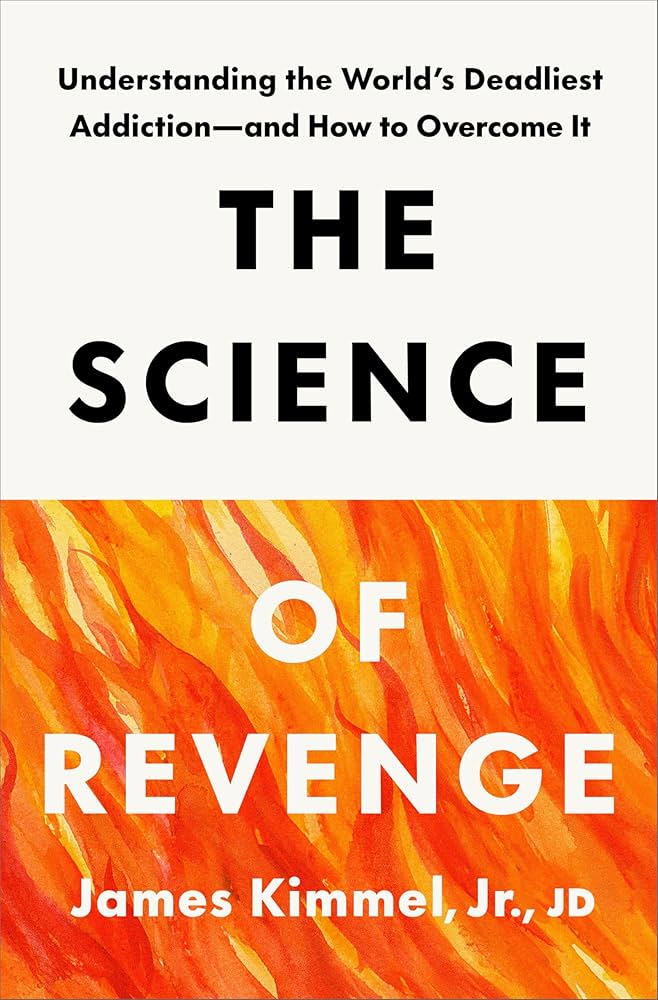 The Science of Revenge by James Kimmel, Jr., JD.
Repeatedly quoted on the Mockingbird website, this is a riveting, urgent book about the deadliest addiction: vengeance. Longtime psychiatric researcher Dr. James Kimmel reveals the neurological mechanisms of revenge addiction — and the almost miraculous healing of the brain and body in response to that age-old “wonder drug,” forgiveness.
The Sirens’ Call: How Attention Became the World’s Most Endangered Resource by Chris Hayes
Come for the dispiriting but undeniably accurate assessment of modern life, stay for the novel description of how the law condemns us all. In this case, we’re talking about the difference between what we should pay attention to versus what we actually pay attention to.
The Uncool: A Memoir by Cameron Crowe
Such an enjoyable book. The life story of one of the most interesting people in the last century (despite what the title my say). Crowe, the music reporter-turned-filmmaker and now author, offers all the details you never knew alongside a touching tribute to his parents.
Unshrunk: A Story of Psychiatric Treatment Resistance by Laura Delano
A not-for-the-faint-of-heart memoir of the author’s journey into (and out of) the depths of psychiatric treatment that raises important questions about the practice as a whole. In the process, Delano observes the many ways our modern social fabric is itself dehumanizing and alienating.
We Tell Ourselves Stories: Joan Didion and the American Dream Machine by Alissa Wilkinson
No one could appraise the life and work of Joan Didion quite as well as Alissa Wilkinson, who writes with deference to Didion’s signature style and stylishness alongside a sharp analysis of the wider context and meaning of the celebrity writer’s legacy in America.








Honored! Thanks for sharing about All the Things I Say to God 🙂