The service was magical, especially for a shotgun wedding. The bride, wearing blue jeans and very little makeup, had a natural beauty to her as she walked down the aisle. Friends and loved ones sat on both sides of the church as she slowly made her way toward the altar. Strangely, the wedding liturgy was a little backwards. The groom, waiting patiently for her at the altar, had already made his vows. Normally, the groom waits until the bride meets him at the altar before promising to have and to hold her until they are parted by death, but he chose to pledge his love for her before she even took a step. As she approached the altar, she knelt down, hands together, palms facing the arched ceiling. Tears in her eyes, she heard the comforting words, “The body of Christ, broken for you. The blood of Christ, shed for you.” Receiving the small morsels of bread and wine and responding with a whispered, “Amen,” she rose and slowly returned to her pew.
This scene, of course, is no wedding at all, but an everyday, run-of-the-mill service of Holy Communion. Like any given Sunday, the priest raises the elements, says, “The gifts of God for the people of God,” and invites all baptized believers to approach the altar to receive the Eucharist. One pew at a time, the ushers direct the congregation down the aisle to receive the Lord’s Supper. It is a physical rendition of the metaphor that Scripture uses to describe the relationship between Jesus and the Church. On Sundays, everybody gets to play the bride of Christ.
On Maundy Thursday, we remember when Jesus first instituted the sacrament of his body and blood. He doesn’t explain the metaphor all that much. He simply calls the bread his body. He calls the wine his blood of the new covenant. Like wedding rings, the purpose of the bread and wine is to point to something that is difficult to pin down: God’s unwavering promise that our sins are forgiven. The physical elements reveal that forgiveness is not an abstraction that exists only in the Land of Ideas. We are not Gnostics who believe that spiritual knowledge is the path to salvation. We receive the sacraments into our hands, consume them with our mouths, and digest them into the framework of our being in order to help connect God’s grace with our actual lives.
Weddings are often an emotional high for couples. After the honeymoon, it’s not long until the bride and groom experience a romantic downshift once they reenter the daily grind of reality together. Maundy Thursday takes this tendency to the extreme. Immediately after Jesus makes his vows and institutes the Eucharist, all hell breaks loose: Jesus is betrayed for blood money; all but one of the disciples completely deserts him; he suffers the most excruciating and humiliating death imaginable. It’s unlikely that any of the disciples were recalling the institution of the Lord’s Supper as they watched their savior’s bloodied body hang on a cross. And yet, through the nightmare of the crucifixion, his promise held fast. While Jesus’ body was broken, his vows were not.
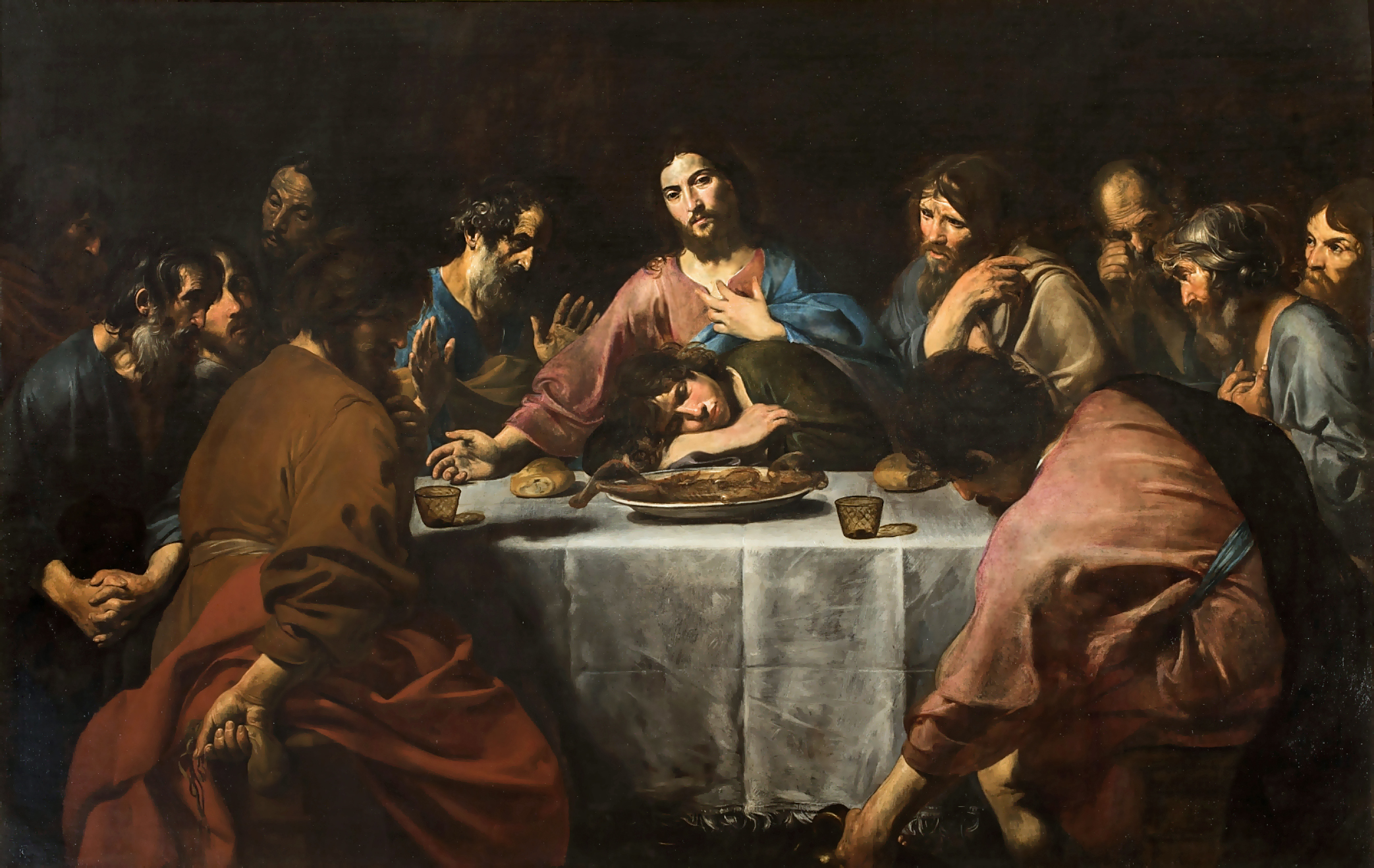
Why does communion matter? How does this ritual actually help renew our faith in a real and tangible way? Because it serves as a way to hear God renew his vows to us every single week. The renewing of vows can come across as superfluous or even a little tacky. After all, wasn’t it enough for all your friends and family to show up the first time? And yet, God is a hopeless romantic in that sense. He cannot help but remind us over and over and over again of the extent that he loves us. Moreover, he wants to renew his vows because we need reminding.
The structure of our church service is built upon the act of remembrance to remind us that our salvation is real and secure. Every week, we take the Eucharist as the “memorial of our redemption.” We receive the gifts of God in remembrance of him. In that sense, the bread and wine are our souvenirs, that word derived from the French verb “to remember.” We do not consume them as a one-time cure-all, but as routine nourishment: grace in the form of flour and grapes. In 1 Corinthians, the Apostle Paul tells us that as often as we eat this bread and drink the cup, we proclaim the Lord’s death until he comes. In other words, our perpetual memory of what Jesus did for us is the best way to remember how loved we are.
The marriage between this particular bride and groom is a bit lopsided, of course. The relationship between Christ and his Church is not exactly an “evenly yoked” partnership. We don’t renew our own vows on Sunday. No matter how our week is going, our role as church goers is to simply confess our sins and receive God’s promise, the badges and tokens of God’s grace. Receiving the Eucharist does not bring our forgiveness into effect so much as to point back to the wedding day, when Jesus met us at the altar and said, “With all that I am and all that I have, I honor you.”