




If you were to ask me what my least favorite holiday is — and trust me, I am a children’s minister and mother of three, this is not the weirdest question I’ve been asked this week— I would most likely reply New Year’s (both Eve and Day, to be specific). Part of it feels overly celebratory for a simple turn of a calendar page. Some of it is that I am expected to stay up past ten p.m. and not be grumpy. A large part of it is that somehow, with the flip of the page and the tick of the clock, I am supposed to be a newer, fresher, better version of myself at midnight. Expecting anything of me after midnight is ridiculous.
I am supposed to have more energy and interest in self-improvement. Things are supposed to get better not worse. This year will be different because this is the year, after forty others just like it, that I will finally have more self-control. I will have learned from all of my previous mistakes, errors, failures, flops and non-wins. Nothing will be left as it was. This year, I will have it all together.
I get that most people have more reasonable New Years Resolutions. Like working out more or cleaning their house regularly. Maybe eating more vegetables or being kinder to their co-workers. But cumulatively, at the start of the New Year, we expect radical change, of ourselves and others.
Here’s what’s wild: the Church celebrates its New Year with the first Sunday of Advent. To say the liturgical New Year is not the same as Regular New Years is an understatement. While January first marks the start of trying harder, achieving goals, setting expectations, committing to programs or plans, the first season of the Church year is about doing nothing. Nothing but waiting, in hope, for someone else to arrive.
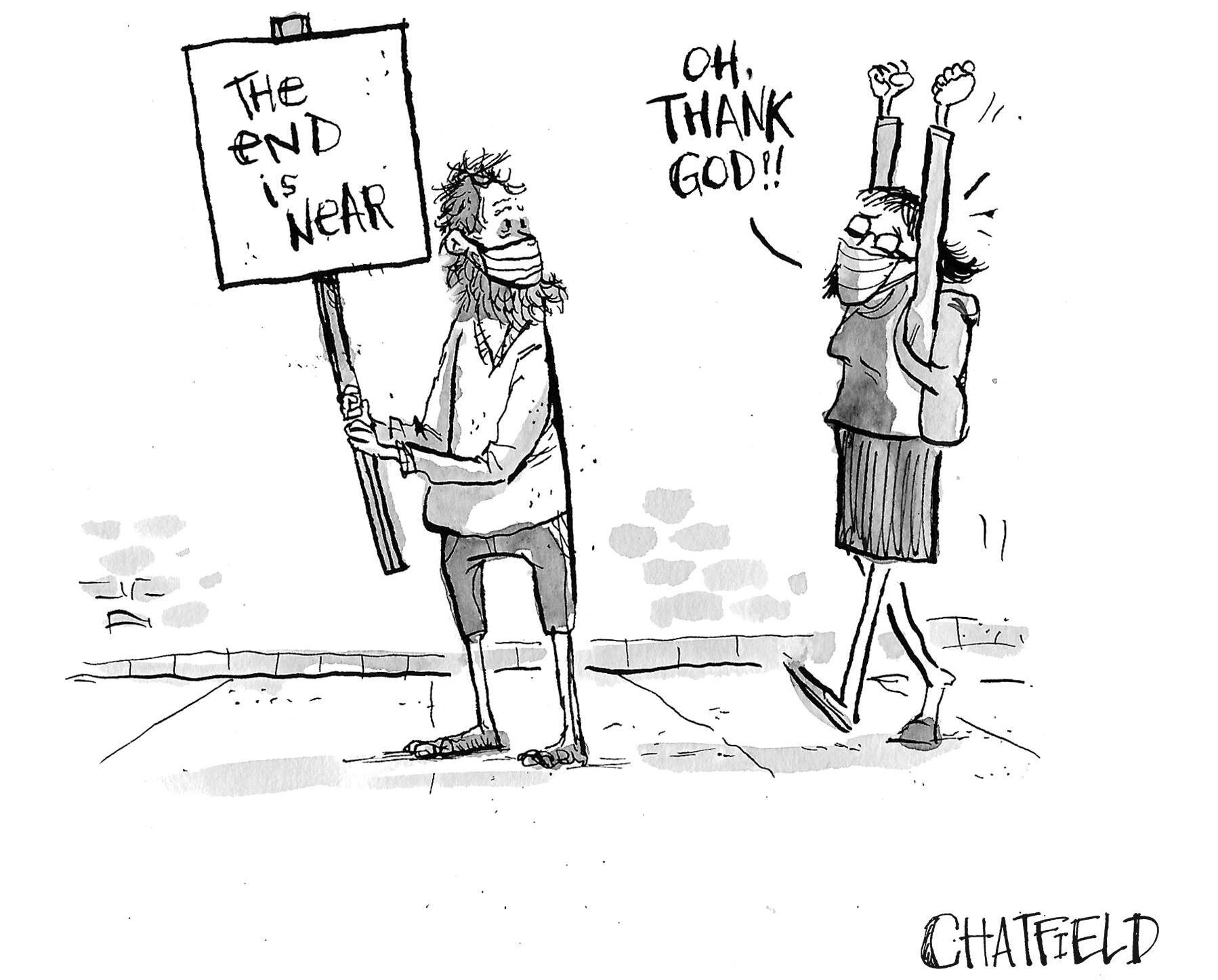
The four weeks leading up to our celebration of Jesus’s birth are not spent looking back in time, though we certainly enjoy remembering the Incarnation, but rather looking forward in time, to the second coming of Christ. Many of the readings during the season are apocalyptic, revealing something to do with the nature of Christ’s return and his Kingdom on Earth. We wait at the start of the New Year to remind us that nothing we do, whether spiritual, religious or secular, will hasten the day of his return. But we wait in hope because we have faith he will return.
And when he returns, we are promised, the whole world is made new, when a new heaven and new earth will arrive and a new city of God will come down out of the heavens. God’s dwelling place will no longer be “out there” somewhere, but within his people forever. The agony of God’s absence and the bewilderment about what in the world he is up to will be replaced by his always loving, enduring presence. At that time, in that city, there will be no more death, or tears, or skinned-knees, or addiction. or illness, or shame, or tense conversations into the small hours of the night (Rev 21). The old will be gone and the unfathomable newness will dawn. A newness we can only faintly begin to understand, a newness far beyond our wildest resolutions.
Advent is weird, because this beautiful season of the Church year butts up against the commercialism, busyness and social pressures of Christmas. We are trying to sit in the waiting while also receiving Christmas cards detailing everyone’s highlights and wins from the year, going to parties with people who are wearing shiny clothing in their shiny houses, shopping for that gift that will finally make your family member understand you love them. But maybe, this year one of your kids failed a class, or your brother passed away from an overdose or you don’t fit in last year’s sequined party dress. The Christmas season that somehow coincides with the Advent season makes it hard to not want to do more, be more, look more, seem more.
But, our liturgical New Year is about resting in the One who can make things new, who can grow shoots from stumps and turn waste places into Edens. As the collect for the first Sunday of Advent reminds us, God gives us grace to cast away the works of darkness. We do not find it within ourselves. Our hope for any sort of change or transformation is found only in the one who made us, who redeemed us and who is returning for us. We wait in hope knowing that whether we are holly and jolly or grinchy and glum, someday, we will be made new.








This is helping me make sense of tensions and feelings I’m wrestling with this year. Thank you.
Amen.